 Giordano Salvatori, founder of STA · 19/10/2026 · 6 min read
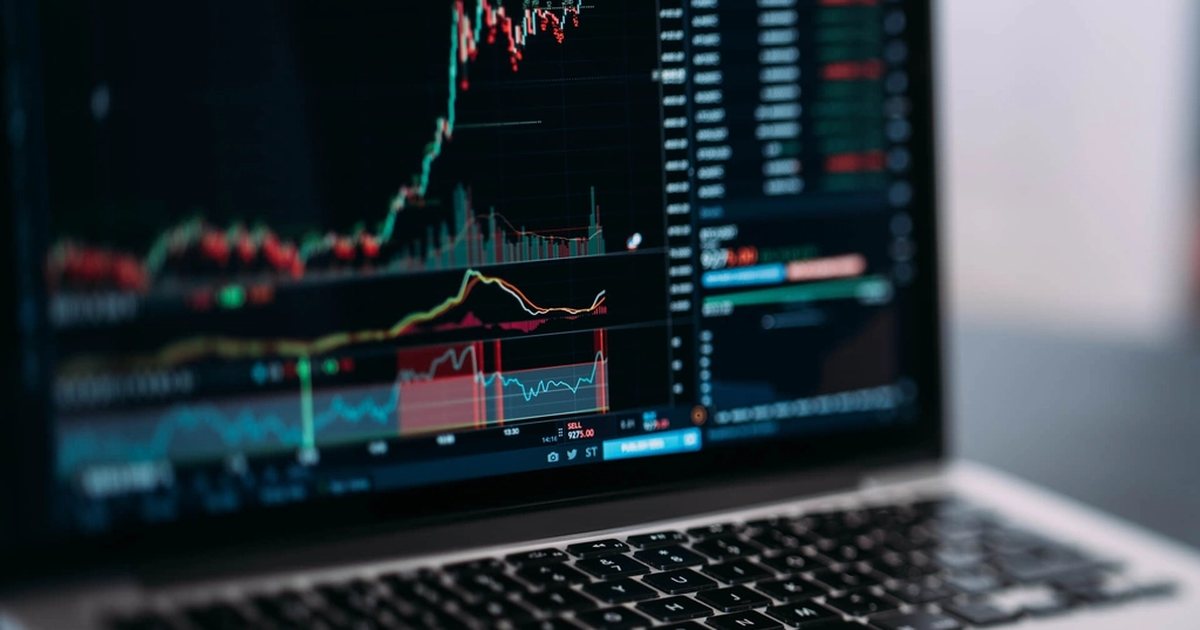
Online trading means buying and selling financial instruments from a computer or a phone, through a platform. It can be a share, a cryptocurrency, an ETF or a derivative contract. The difference from long term investing is time: a trader holds a position for hours, days or weeks, and tries to profit from price moves.
You can make money when the price rises, with a long, or when it falls, with a short position. If these two terms are new to you, we explain them in the guide on long and short.
To understand what you really buy, with which instruments and what each trade costs, there is the guide to online trading explained from the inside.
If you plan to do it from home, read how to get organised for trading from home. If systems that trade on their own intrigue you, there is the guide on automated trading.
The mistakes that cost beginners the most, one by one, are in the online trading guide for beginners.
If you wonder whether is trading online worth it, with spreads, fees and hidden costs taken into account, there is a separate guide on costs.
If you wonder whether trading is legal, who oversees the platforms and how taxes work in Italy, you will find the answer in a separate guide.
If you are curious about trading online with artificial intelligence, what it can really do and how to try it on a demo account, has its own guide.
If you want to know how to decide how much to risk on each trade, there is the guide to risk management in trading, with the basic rules and a worked example.
Many platforms let you start with a few tens of euros. The real question, though, is not the minimum to get in, it is how much you can lose without it changing your life. With a small account, risking 1% means very small trades, and that is perfectly fine. At the start you are paying for experience, not chasing profit.
Be careful with leverage. It lets you move more money than you have, and for the same reason it can wipe out your margin quickly. To work out how much to buy based on your stop you can use our position size calculator, free. The full discussion, with the numbers, is in how much money you need to trade online.
Some do, most don't. In Europe, brokers offering CFDs must disclose how many of their clients' accounts lose money, and the published figures are almost always between 70% and 90%. It is worth remembering every time someone promises easy profits.
Those who stay in the game for long usually share three things. Small losses decided in advance, few trades chosen calmly, and the ability to sit through a bad streak without changing method halfway. We cover this in the guide on drawdown and in the one on R and win rate. The deeper look, with the numbers, is can you make money with online trading? The honest numbers.
A demo account uses virtual capital and real market prices. It helps you learn how a platform works, test a method and see your own mistakes without paying for them. It has one limit worth knowing: with pretend money, fear and greed weigh less, so on a demo everyone is a bit better than they will be with real money.
That is why the advice is to use it for a long time, with the same amounts you would really use, and move to real money only when you have a journal of many trades and can explain every loss.
To go further we have guides on the free demo trading account, the trading simulator, the crypto demo account, on how long to stay on demo and on moving from demo to a real account.
Be wary of anyone who promises fixed returns, very high win rates or gains with no risk. Nobody knows where the price will go. A serious offer tells you how much you can lose, shows you past results in a verifiable way, losses included, and never asks you to hand your money to someone you met in a chat. To check who is behind a platform before you send money, read how to recognise a serious trading platform. We have also written a guide on how to recognise the reliable trading signals.
STA offers trading cards for crypto and US stocks on OKX, built by a team of artificial intelligence agents that debate with each other before proposing a trade. Every card comes with entry, stop and target already set, and the track record is public and verifiable on GitHub, losses included.
You can try it with a DEMO account that is free forever, with virtual capital, real prices and the same cards as people using STA with real money. It is a way to practise online trading with a method, without risking anything.
Every card as soon as it closes, with the result and what STA learned from it. It's free and you don't need to sign up.
Follow the channelA DEMO account with virtual capital and real prices, the same cards as REAL users.
Try DEMO for free →This article is for information only and is not investment advice. Trading crypto-assets involves a high risk, including the total loss of the capital used. Numerical examples are for illustration.
Risk management in trading: how much to risk per trade, how to calculate the position and how to use a stop, with made up examples and a demo account.
Trading online with artificial intelligence: what AI can do, what it can't, how to try it on a demo account and how to spot those who promise too much.
Is trading online worth it? It depends on the costs: spread, fees, swap and slippage. What really weighs on a small account and how to do the maths first.
