 Giordano Salvatori, founder of STA · 12/11/2026 · 5 minute read
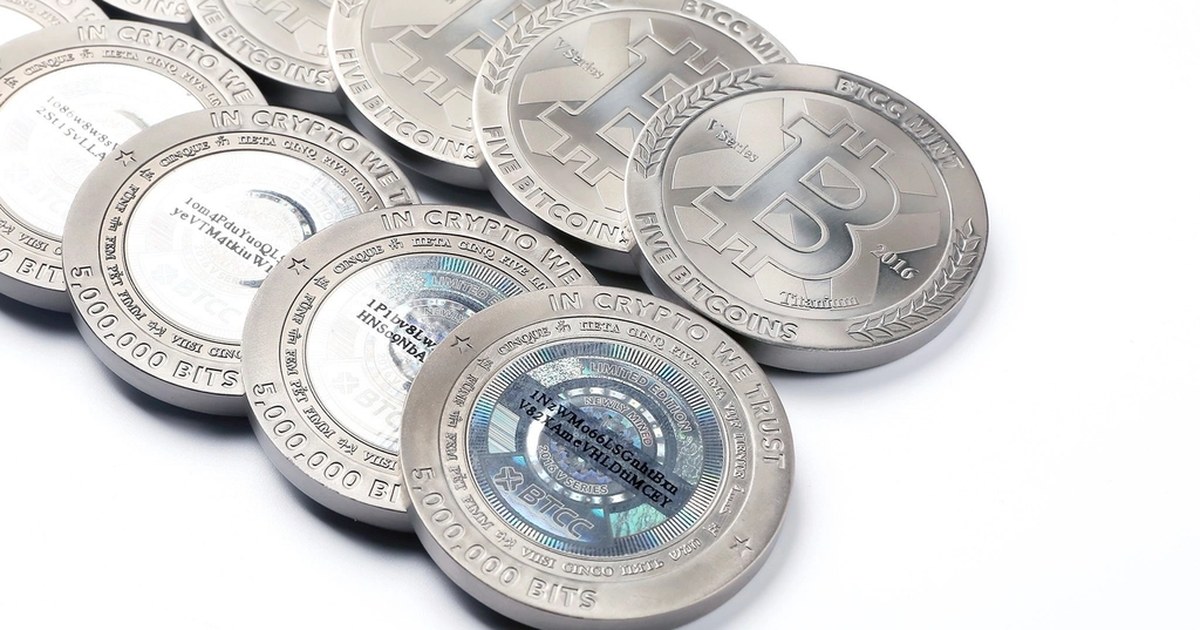
A ETF (Exchange Traded Fund) is a fund you buy and sell on the stock exchange like a share. A Bitcoin ETF "spot" is a fund that holds real bitcoin in custody, not contracts on its price, and makes sure the value of each share follows the price of bitcoin, minus costs. Whoever buys a share doesn't own the bitcoin directly and doesn't have the keys: they own a part of the fund, which holds it for them.
In the United States, the first spot bitcoin ETFs began trading on 11 January 2024, after authorization from the SEC, the market supervisory authority. In Europe similar products exist, usually called ETPs, but the rules and availability change from country to country and from broker to broker: before looking for them, check what yours offers.
The mechanism is less mysterious than it seems, and it is worth understanding because it explains everything else. There are authorized intermediaries, called authorized participants, who act as a bridge between the fund and the market.
This is why people talk about flows: a day of net inflows means the fund bought bitcoin, a day of net outflows means it sold some. The issuers publish this data every day and specialist sites collect it, with small differences between one source and another, because not everyone counts the last hours of the day in the same way.
In part yes, but not entirely. When funds buy, they add demand to a market that already exists, and when they sell they add supply. On days with very large flows the effect can be seen, especially when it coincides with other news. But bitcoin also trades on exchanges, day and night, with an amount of money that no single fund controls.
Saying "there are inflows, so it will go up" is a shortcut that the market often disproves. Flows are a snapshot of what many investors have already decided, not an indication of what the price will do tomorrow. The same goes the other way round. Use them to understand the climate, never as an entry signal. To read the market climate there is also the difference between a bull market and a bear market.
ETFs cost money, even if you don't see it right away. There are three items to look at:
I won't give you a figure on taxation, because it depends on the country and the instrument. Ask a professional in your area before buying.
| Bitcoin ETF | Bitcoin on an exchange | |
|---|---|---|
| Where you buy | With a brokerage account, on the stock exchange | On a crypto platform |
| Hours | Only when the exchange is open | Day and night, every day |
| Who holds it | The fund | The exchange or your wallet |
| Costs | Annual management fee plus broker | Exchange fees |
| Leverage and short | Usually not | On derivatives, yes |
Trading hours are the difference you notice least and that matters most. If bitcoin moves on a Saturday, the fund will only react on Monday, when the exchange reopens, and the price can start from a gap on the chart more than by an ordinary candle. Those who trade derivatives with leverage, on the other hand, find a market that is always open, and so must also know the liquidation.
Three simple habits. The first: look at several days, not just one, because a single day says little. The second: compare at least two sources, because the numbers for the same day can differ. The third: remember that flows come after the facts, so they are useful to understand what happened, not to anticipate it.
If you want to practice reading a market with this data in front of you, you can do it on a demo account, noting what you expected and what actually happened. The whole path, from the first steps to risk management, is in the guide to mindful online trading.
STA doesn't sell or recommend ETFs. It works on the OKX Europe markets, 175 in total, including 44 US stocks and ETFs: ten artificial intelligence agents analyze them twice a day, set a Bull against a Bear and, if the idea holds up, turn it into a card with its stop. Among the news the agents read are also the big movements of money, because an unusual flow is a piece of context to weigh, never an order to execute. Your funds stay in your OKX account.
The DEMO is free forever, with real prices and the same cards as REAL. You need an account. During the launch phase, which began on 16 October 2026, STA's fees are temporarily disabled, even in REAL; the ordinary price list, suspended while the launch lasts, is 18% of the positive net result of each day, with no offsetting of losses. The history of the cards, losses included, is public on GitHub.
Every card as soon as it closes, with the result and what STA learned from it. It's free and you don't need to sign up.
Follow the channelA DEMO account with virtual capital and real prices, the same cards as REAL users.
Try DEMO for free →This article is for information only and is not investment advice. Trading crypto-assets involves a high risk, including the total loss of the capital used. Numerical examples are for illustration.
ATR indicator explained from scratch: what Average True Range is, how it's calculated, how many periods to use and how to pick a stop loss from volatility.
Bull market and bear market explained from scratch: what they mean, the 20% rule, how to spot them on the chart and why they don't tell you where the price will go.
Support and resistance explained from scratch: what they are, how to spot them, why they are zones and not lines, and how to use them with a stop. Illustrative example.
